What You Need To Know Before You Sell Your Home
The sellers succeeding in today’s market aren’t the ones sitting on the sidelines. They’re the ones who adjust early, understand the data, and position their home realistically from day one.
A large number of homeowners this year didn’t get the results they expected. That wasn’t a market failure. It was an expectations problem.
According to Realtor.com, withdrawals are up 57% year over year. These homes went on the market but never sold. The pattern behind most of those failed listings comes down to two factors: price and timing.
If sellers had aligned both from the start, their outcomes would have looked very different. Here are the two lessons worth taking seriously.
1. Price It Correctly From the Start
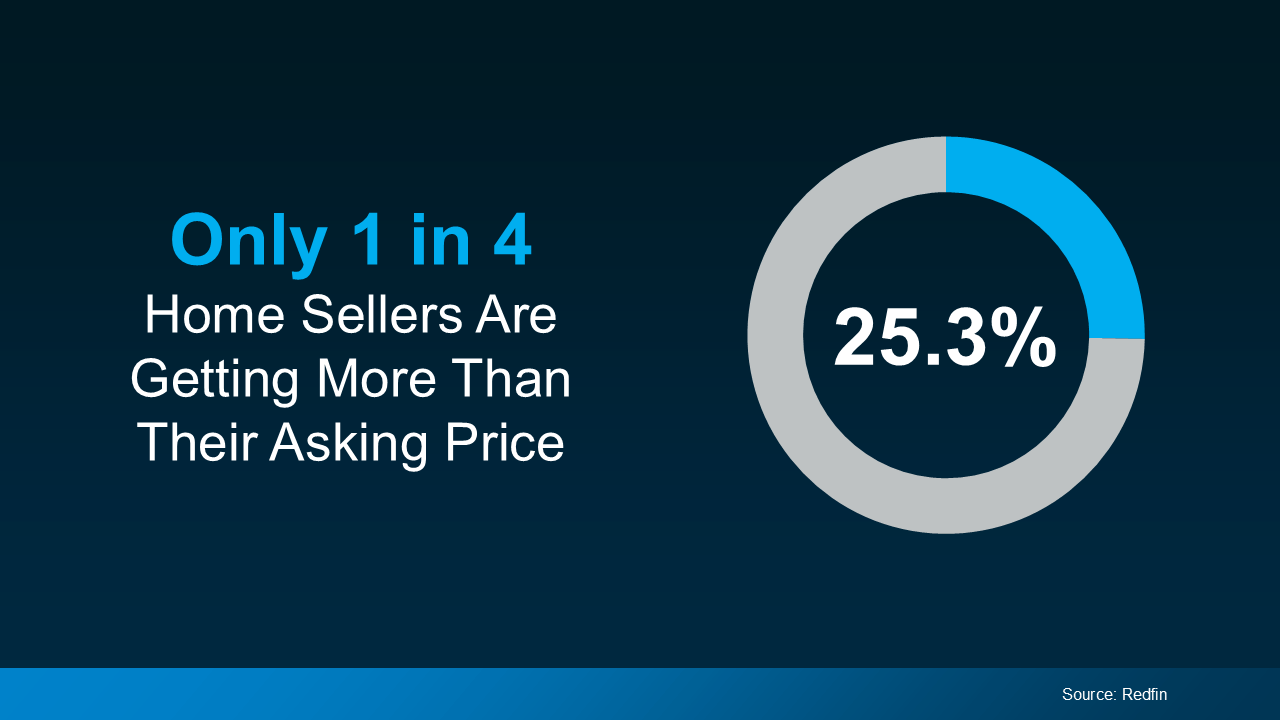
Pricing is where most sales go off track. Today, 8 in 10 sellers expect to receive their full asking price or above, but the market isn’t operating on that logic anymore.
Redfin reports that only 25.3% of homes are actually selling above list price.
A few years ago, inflated pricing still attracted multiple offers. That isn’t the environment we’re in now. Buyers have more choices, better information, and less urgency. When a listing appears even slightly overpriced, they move on quickly.
Many withdrawn listings this year didn’t fail because the homes were flawed. They failed because sellers refused to make even minor adjustments. Ironically, the data shows the average price reduction right now is just 4% (HousingWire).
Starting 4% too high is enough to stall a sale. Starting 4% lower could have sold the home without any drama.
Before you list, review the local numbers with your agent. A competitive price isn’t about giving away value. It’s about positioning the home where today’s buyers are actually willing to act. And if you’ve built up years of equity, you can price strategically and still come out ahead.
2. Don’t Expect a Weekend Sale
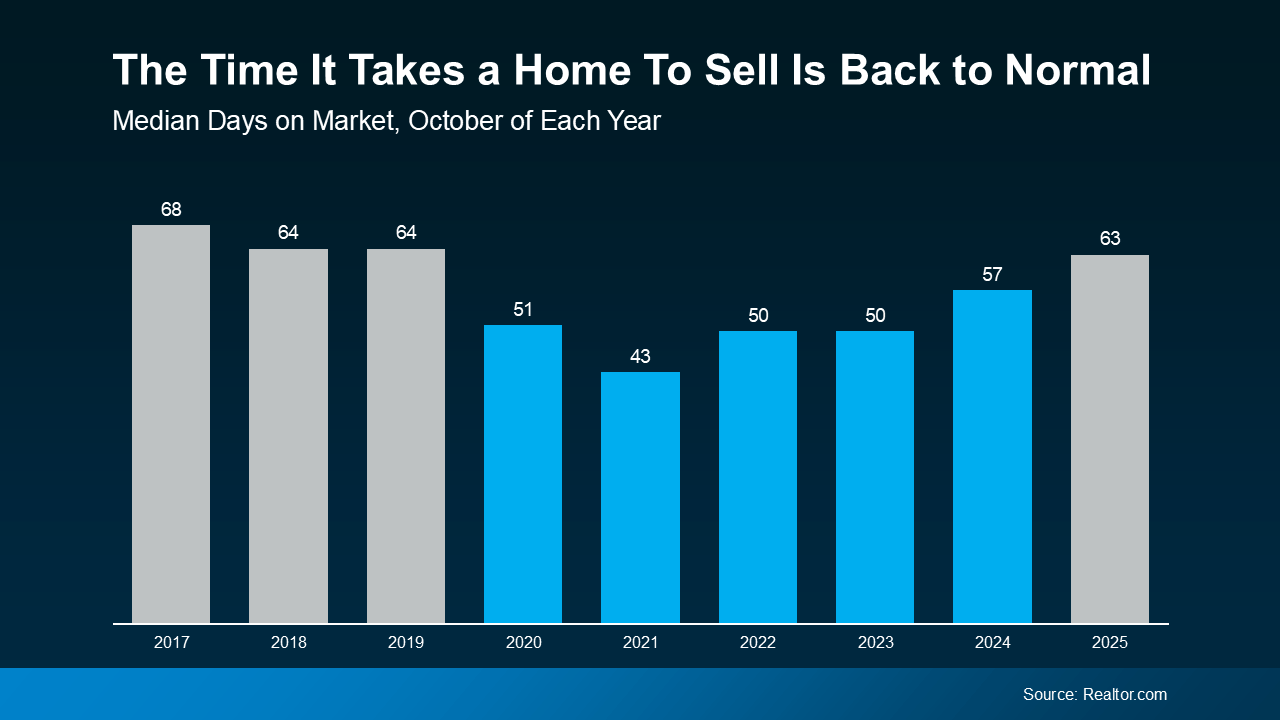
The second issue is timing. Many homeowners are still comparing today’s market to 2020–2021, when homes went under contract in days or sometimes hours. That pace is gone.
A typical listing today takes closer to 60 days from list date to closing. That’s not slow. That’s standard.
It only feels slow because the pandemic years distorted everyone’s sense of what’s “normal.”
Buyers now are more deliberate. They’re shopping carefully, considering more options, and taking time to make decisions. This is what a balanced market looks like.
If your home doesn’t receive immediate offers, that’s not a sign the listing is failing. It’s a sign the market is functioning the way it’s supposed to.
If speed matters, work with your agent on presentation and differentiation. Staging, accurate pricing, and strong visuals still shorten days on market in most areas.
Bottom Line
Don’t let headlines or other sellers’ missteps shape your approach. The homes that failed to sell this year didn’t fail because the market was broken. They failed because the strategy was off from the start.
Price with intention. Plan for a normal timeline. Work with an agent who understands current buyer behavior and neighborhood-level data.
In this market, success comes from clarity and preparation, not waiting for conditions to magically change.