Condo Or House In Venice For Seasonal Living
May 14, 2026
May 14, 2026
Wondering whether a condo or a house makes more sense for seasonal living in Venice? It is one of the most common questions buyers ask, and the answer depends less on price alone and more on how you plan to live when you are here. If you want a winter base that feels easy, enjoyable, and aligned with your long-term goals, a few key factors can quickly point you in the right direction. Let’s dive in.
Venice is especially appealing for part-time owners because so much of the lifestyle is built around simple outdoor enjoyment. The city highlights its identity as a Trail Town, along with more than 30 parks, Venice Beach, the Venice Fishing Pier, and the Venetian Waterway Park trail system.
For many seasonal buyers, that means your home does not always need to be large to feel rewarding. If your days are spent walking trails, heading to the beach, or enjoying time outdoors, convenience and low-maintenance ownership can matter just as much as square footage.
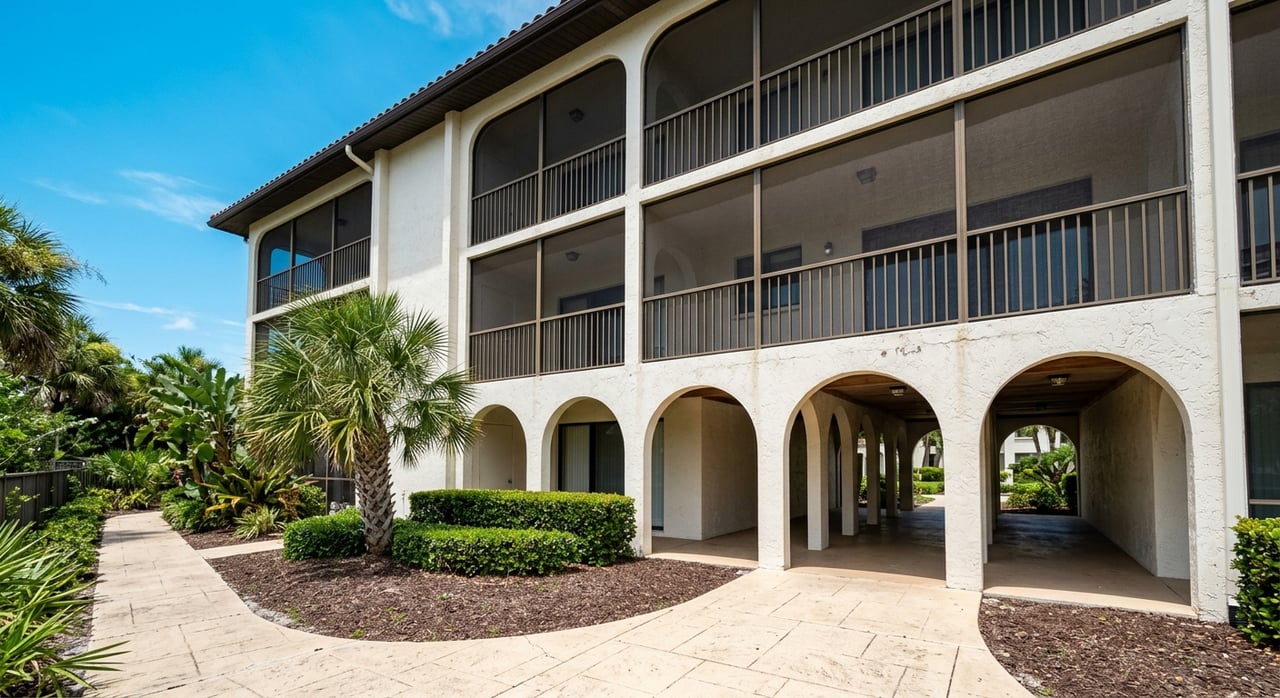
A condo often makes sense if you want the easiest seasonal setup. If you travel back and forth, stay away for long stretches, or simply want less hands-on exterior maintenance, condo living can be a strong fit.
Under Florida condo law, the association is responsible for common-element maintenance. That usually reduces your day-to-day upkeep compared with a house, which is a major plus for snowbirds and second-home owners.
A condo can also line up well with the Venice lifestyle if your focus is access over space. If being close to beaches, trails, and low-effort recreation matters more than having a larger year-round home base, a condo may check more of your boxes.
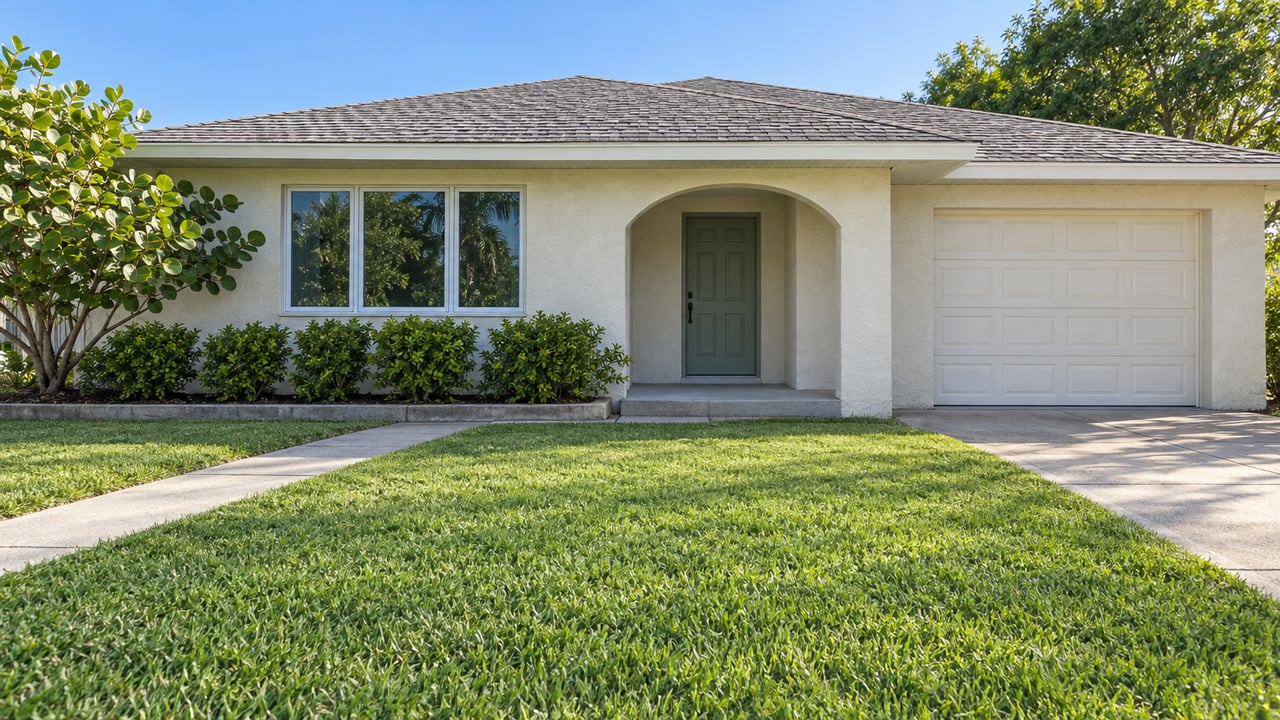
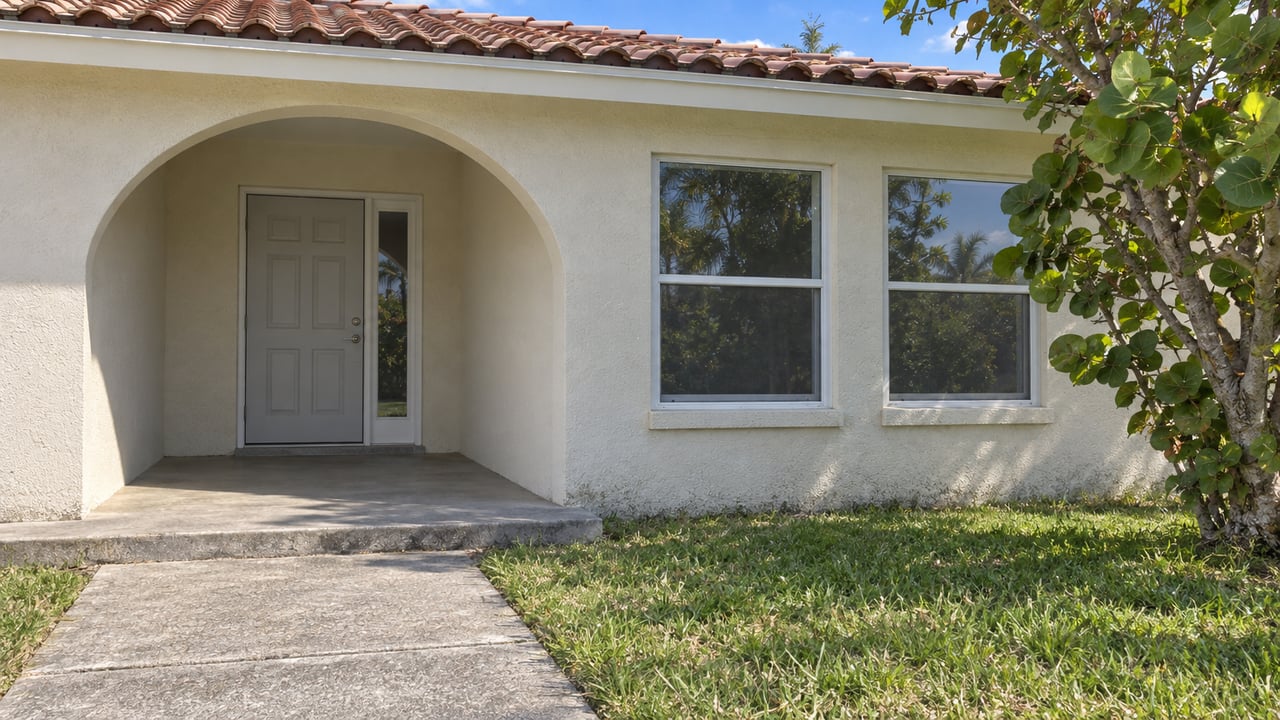
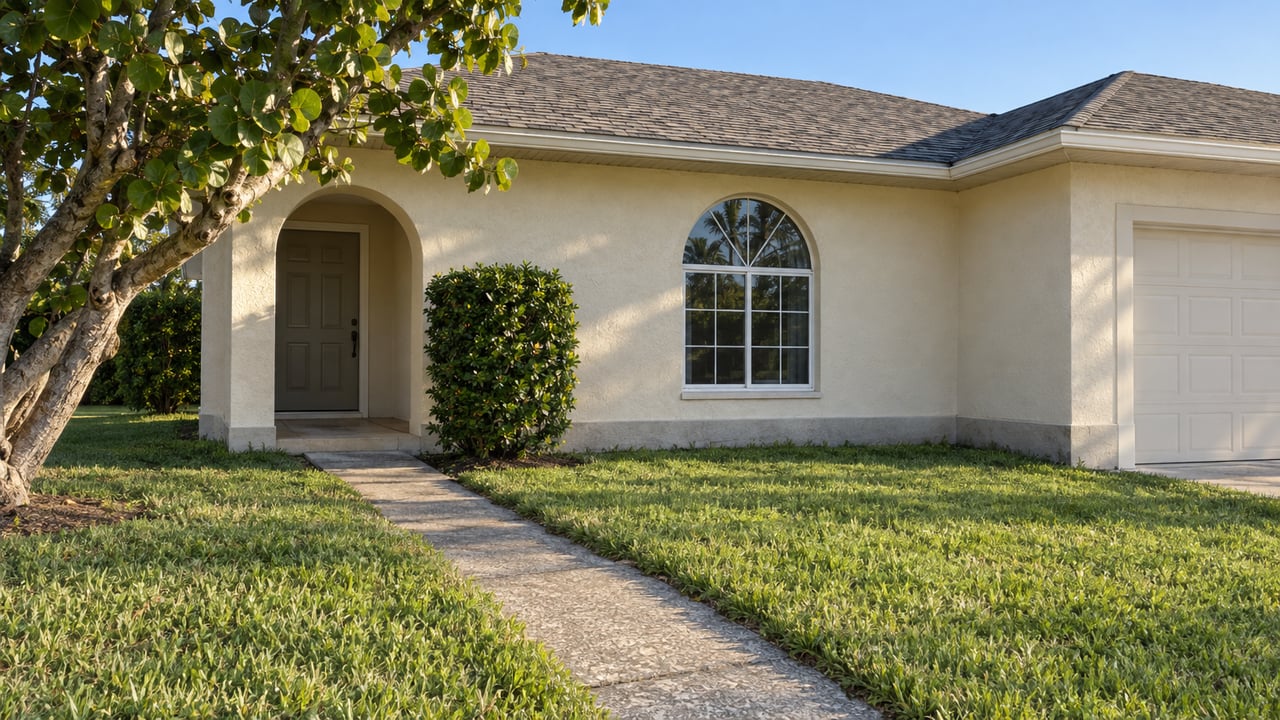
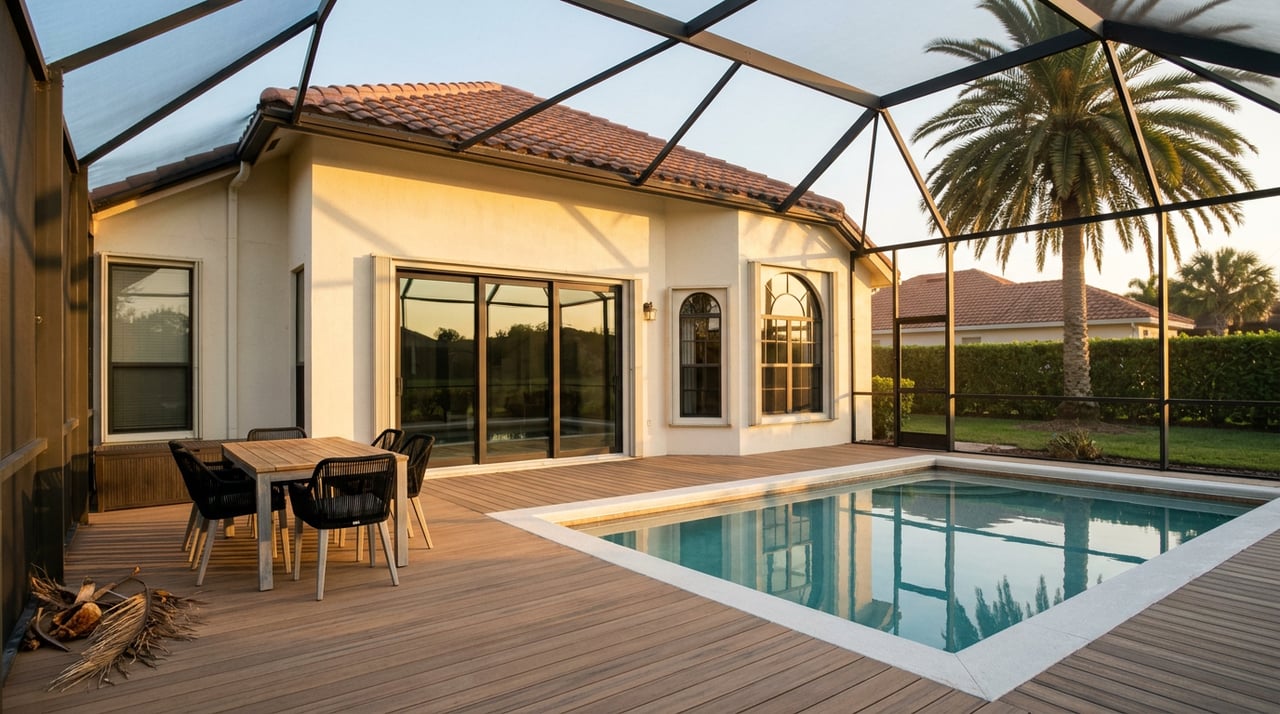
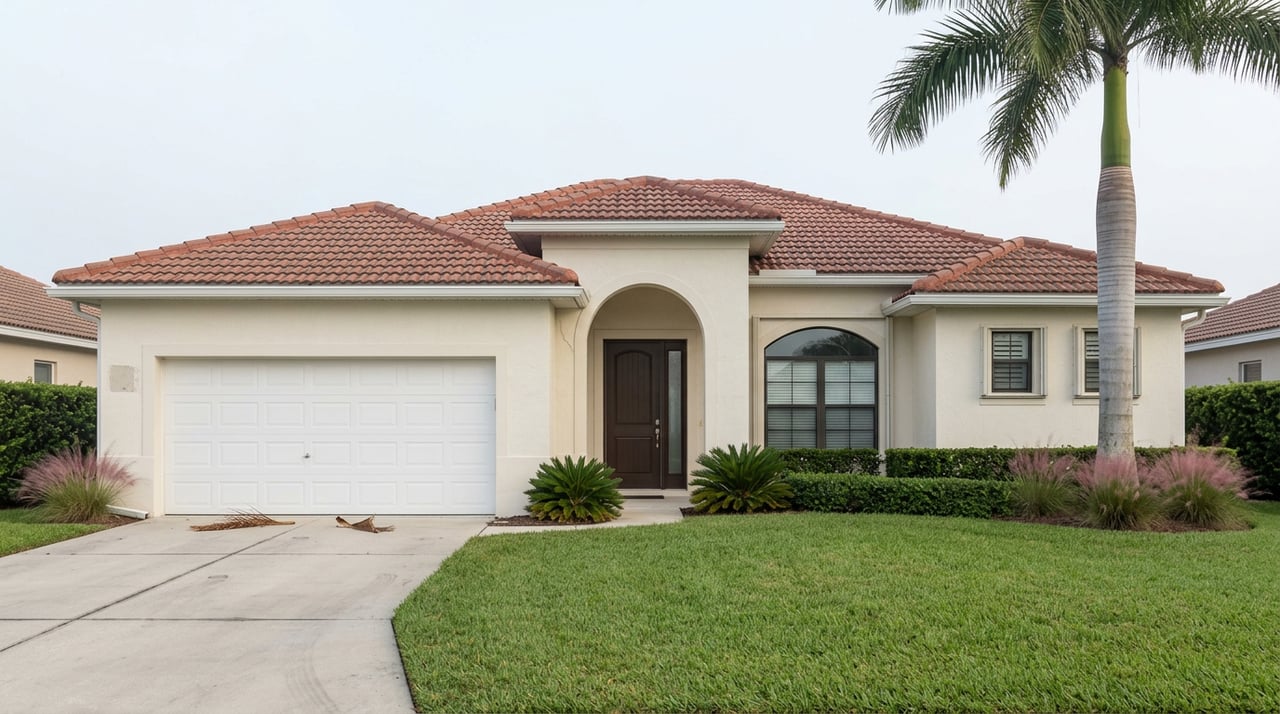
A house is often the better choice if you want more privacy, storage, garage space, or a yard. It can also make more sense if you see this purchase becoming a longer-stay retirement home or a future full-time residence.
With a house, you usually have more direct control over the property. You may have more flexibility to customize the home and use the space in a way that suits your routine, especially if you plan to spend longer stretches in Venice over time.
That said, a house comes with more owner responsibility. Upkeep, storm preparation, and general maintenance usually fall more directly on you, which can be a real consideration if you only live here part of the year.
A condo may look simpler on paper, but you need to understand the full monthly cost picture. In Florida, condo associations must maintain common elements, carry property insurance based on replacement cost, and may also maintain flood insurance for common elements, association property, and units.
For older residential condo buildings that are three stories or more, Florida also requires milestone inspections and structural integrity reserve studies on a set schedule. For you as a buyer, that means dues, reserve funding, special assessments, or repair costs can affect affordability over time.
The big advantage is reduced day-to-day maintenance. The tradeoff is that shared building obligations can change your carrying costs in ways that are not always obvious from the listing price.
With a house, your costs are often more directly tied to the property itself. You are less likely to face condo-style buildingwide insurance, reserve, and inspection obligations.
Still, a house is not automatically free of rules or shared costs. If the property is in a homeowners’ association, the HOA can enforce covenants, architectural standards, rules, and reasonable fines, and the budget may include reserve accounts for capital expenses and deferred maintenance.
That is why it helps to think of a house as offering more independence, not total independence. You may gain flexibility, but you also take on more of the maintenance workload yourself.
If you hope to rent the property during part of the year, do not assume a condo or a house is automatically the better option. In Venice and Sarasota County, rental flexibility depends first on zoning and then on the governing documents.
Sarasota County states that rental rules are zoning-specific. In RSF and most RMF districts, leases must be at least 30 days and short-term rental use is not allowed, while some barrier island RMF districts can allow leases under 30 days.
For condos, the details can be even more specific because bylaws may restrict use, require board approval for transfer, or include a right of first refusal. If rental income is part of your plan, the best review order is:
This step matters whether you are buying a beach-close condo or a single-family home inland. The right property for your lifestyle may not be the right property for your intended rental pattern.
For many part-time owners, property taxes are an overlooked part of the decision. Sarasota County says the homestead exemption is for an owner’s permanent home, and vacation homes or rental properties are generally not eligible.
That distinction matters because the county also notes that assessed value is capped at 3% for homestead property and 10% for non-homestead property. If you are buying now as a seasonal resident but may move here full time later, your future tax treatment could change in a meaningful way.
This does not automatically make a condo or a house better. It does mean you should evaluate the property with both your current use and your longer-term plan in mind.
In Venice, flood exposure is highly property-specific. Even homes in the same general area can have different flood and evacuation considerations.
Before you make an offer, verify the exact flood zone and evacuation zone by address through Sarasota County or FEMA. This is especially important for seasonal buyers, because insurance costs, storm prep, and peace of mind can all be affected by the location of the specific property.
A condo buyer and a house buyer should both do this step. It is not enough to rely on a neighborhood description or general assumptions about the area.
If you are torn between the two, this local rule of thumb is helpful: a low-maintenance winter base usually points toward a condo, while a future full-time home with more space and control usually points toward a house.
No matter which property type you prefer, a little due diligence can save you stress later. Seasonal buyers should focus on the items most likely to affect ownership costs, use, and convenience.
Florida condo contracts entered after December 31, 2024 include disclosure language when certain inspection or reserve items are outstanding. That makes document review especially important if you are considering an older building.
The best choice is the one that fits how you actually plan to use the home, not just how it looks during a showing.
If you are weighing condos against houses in Venice, local guidance can make that decision much easier. The right fit comes from matching the property type to your lifestyle, budget, maintenance preferences, and future plans. When you are ready to narrow down the options, Next Home Suncoast can help you compare properties with a clear, practical view of what seasonal ownership really looks like in Venice.
Stay up to date on the latest real estate trends.


Whether buying or selling, our team is here to provide a seamless, elevated experience every step of the way. Reach out today to start the conversation.