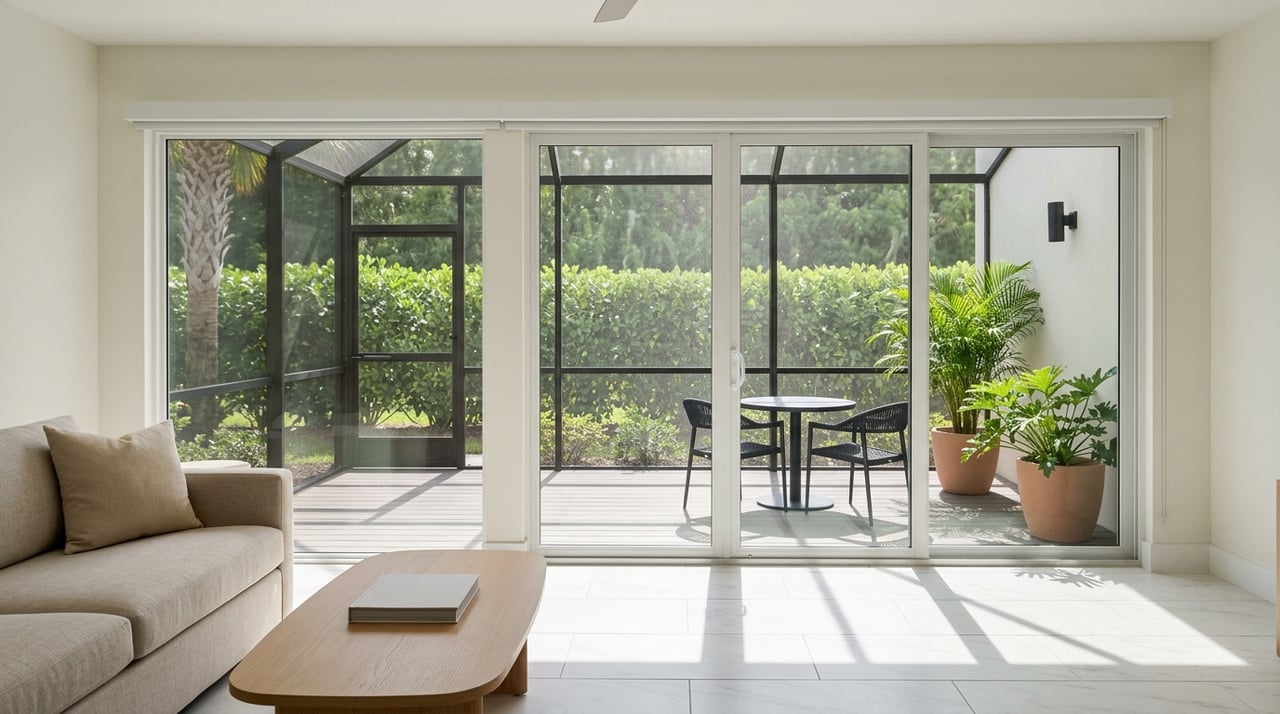
Lock-And-Leave Living In Venice: Condos Vs Villas
June 18, 2026
June 18, 2026
Are you dreaming about a Venice home you can enjoy for part of the year without worrying about constant upkeep? That is exactly why so many buyers compare condos and villas when they start exploring lock-and-leave living in this part of Southwest Florida. If you want a simpler second-home lifestyle, this guide will help you understand the real differences, the questions to ask, and what matters most before you buy. Let’s dive in.
Venice offers the coastal lifestyle many seasonal buyers want, but part-time ownership here comes with practical planning. If you expect to be away for weeks or months at a time, you need more than a pretty property. You need a home that fits your travel schedule, maintenance comfort level, and insurance reality.
That matters even more in Venice because flood risk and storm readiness are part of everyday ownership. The City of Venice says it adopted FEMA’s 2024 flood zone maps, and the city also notes that all of Florida is in a flood zone, with varying levels of risk. For lock-and-leave buyers, that means flood-zone status, wind coverage, and hurricane readiness should be part of your search from day one.
Florida’s insurance guide also reminds buyers that hurricane season runs from June 1 through November 30. It also notes that new coverage cannot be added once a tropical storm or hurricane watch or warning is issued. If you plan to close on a seasonal property, timing and insurability can matter just as much as layout and price.
A Florida condominium is a specific form of ownership. You own your unit and also share an undivided interest in the common elements. In many cases, this creates a more standardized setup for exterior maintenance and common-area responsibilities.
Under Florida law, the association is generally responsible for maintenance, repair, and replacement of the common elements. That can make condos appealing if your top goal is handing off as much exterior work as possible. Still, your exact responsibilities can vary based on the governing documents.
Condo associations also have legal responsibilities tied to hurricane protection. Florida law requires condo boards to adopt hurricane-protection specifications, and associations may also have the right to access a unit when needed for maintenance or to prevent damage. For a part-time owner, that can be helpful, but it also means association rules play a bigger role in day-to-day ownership than many buyers expect.
In Florida, a villa is not a separate legal ownership category under state statute. In practice, many Venice villas are parcel-based HOA properties rather than condominiums. That usually means you own the parcel itself, belong to the homeowners association, and follow the recorded declaration, bylaws, and rules.
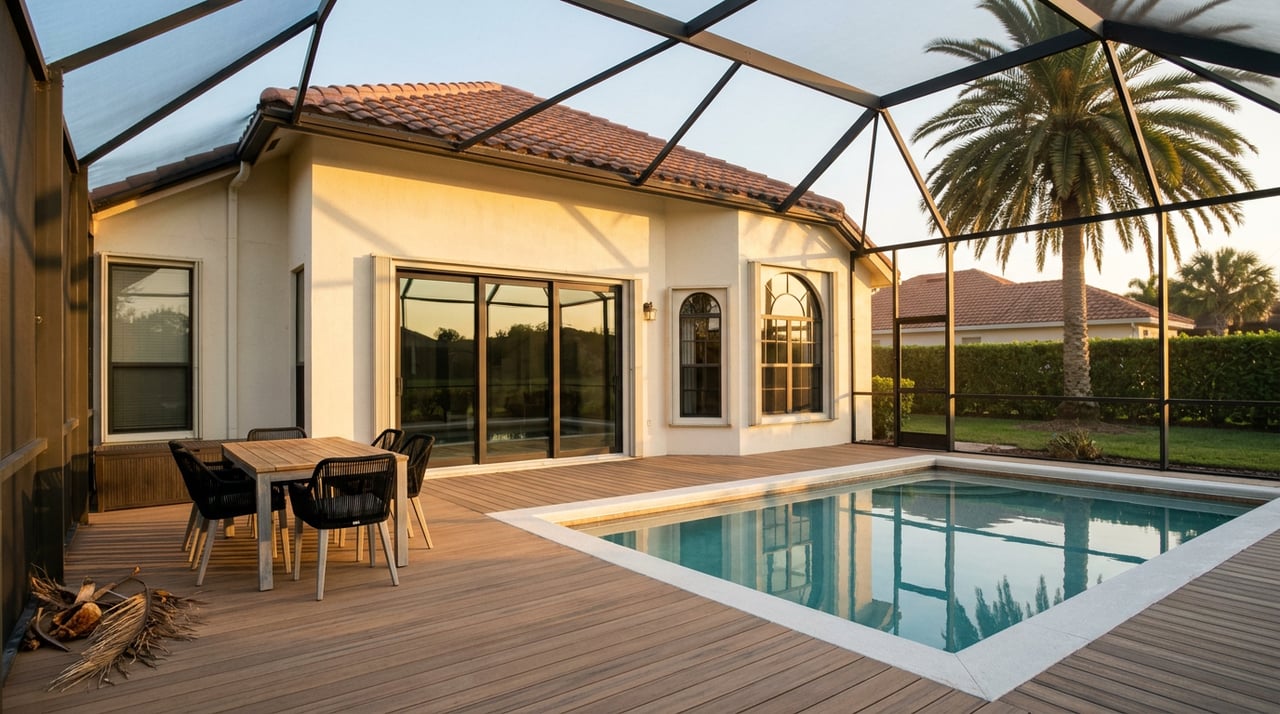
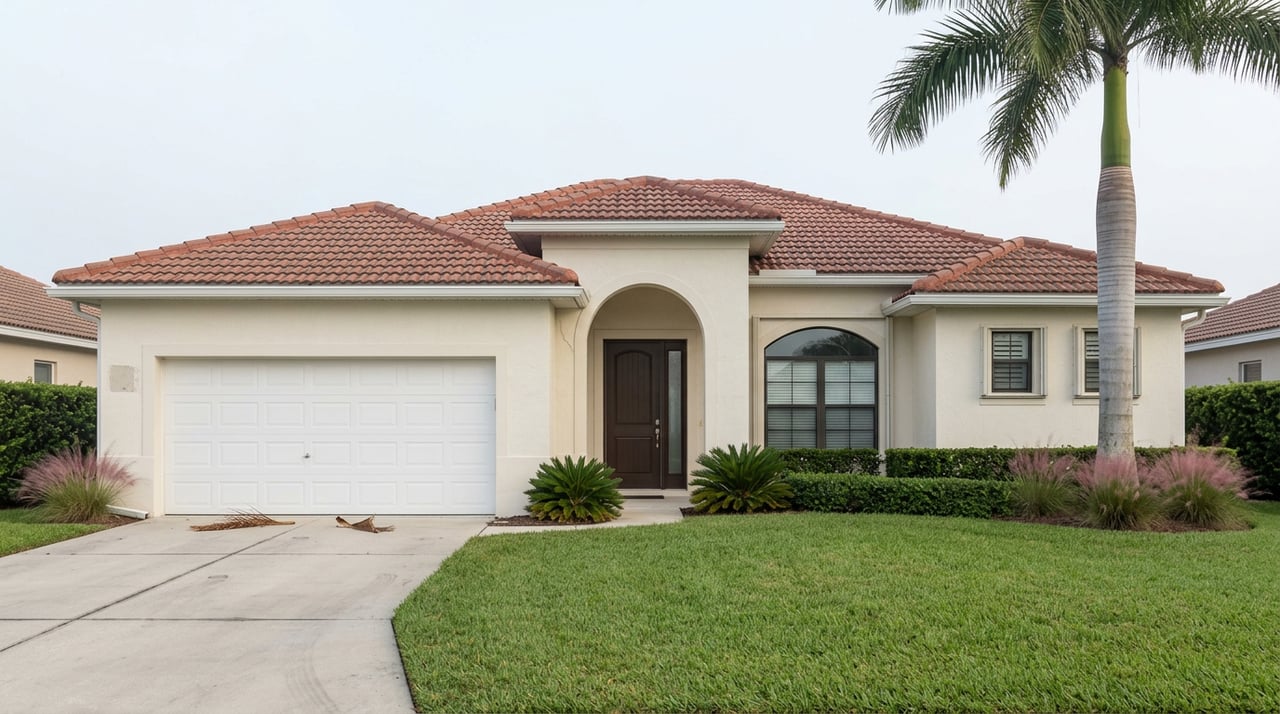
This setup often feels more like owning a house than owning a condo. You may get more privacy, a more residential layout, or a more detached feel depending on the community. But the tradeoff is that maintenance responsibilities are less standardized and depend heavily on the actual HOA documents.
That is why the word villa can be misleading if you do not read the paperwork closely. In one community, the HOA may handle the roof, exterior paint, and landscaping. In another, the owner may be responsible for some or all of those items.
If your main goal is the cleanest maintenance handoff, a condo often has the edge. That is because Florida condominium law places common-element maintenance on the association, creating a more structured framework. For many seasonal owners, that can translate to fewer moving parts.
A villa can still work very well for lock-and-leave living. In fact, some buyers prefer villas because they feel more like single-family homes while still offering association-managed upkeep. The key is not the label. The key is whether the HOA documents clearly assign exterior tasks to the association.
Here is a simple side-by-side view:
| Feature | Condo | Villa |
|---|---|---|
| Ownership structure | Unit plus shared common elements | Usually parcel-based HOA ownership |
| Maintenance framework | More standardized by condo statute | Controlled by HOA documents |
| Exterior upkeep | Often association-led | Varies by community |
| Feel | Often more shared or attached | Often more house-like |
| Buyer review | Broader document package | HOA disclosure summary plus governing docs |
For many Venice buyers, the better fit comes down to how you want to live when you are home and how much responsibility you want when you are away.
In Venice, insurance should be part of your first conversation, not your last. Since the city notes that all of Florida is in a flood zone with different levels of risk, you will want to confirm the property’s flood-zone status early. If the home is in a Special Flood Hazard Area and you are using a federally regulated or insured mortgage, flood insurance may be required.
For condos, the insurance picture can surprise buyers. Florida’s consumer guide says an HO-6 policy covers your personal property and certain building items not covered by the association’s master policy. The same guide explains that the association master policy does not cover several interior items inside the unit.
The guide also says HO-6 policies must include at least $2,000 in loss-assessment coverage. That matters because a condo that seems low-maintenance can still create unexpected costs if the master policy, deductibles, or reserves fall short. Before you buy, it is smart to understand both the association coverage and your own likely policy needs.
With villas, coverage depends more on the ownership structure and what the HOA maintains. Since responsibilities are document-driven, you need to verify exactly who handles the roof, exterior features, and hurricane-related components. That review helps you avoid assuming an HOA covers more than it actually does.
Monthly fees can look simple on paper, but they do not always tell the whole story. What matters is what the fee covers today and what costs could still come back to owners later. This is one of the biggest issues for lock-and-leave buyers who want predictable ownership.
With condos, buyers receive a broad package of resale documents that can include the declaration, articles, bylaws, rules, financial information, budget, and FAQs. Florida law generally gives a resale buyer 7 days to void the contract after receiving those documents. That review period is valuable because it helps you look for reserve strength, upcoming projects, and any signs of future assessments.
For certain condo buildings, state law also requires milestone inspections and structural integrity reserve studies. For buildings that are three habitable stories or higher, milestone inspections begin at 30 years of age and repeat every 10 years after that. Structural integrity reserve studies for qualifying associations cover major items such as the roof, structure, plumbing, electrical systems, waterproofing, exterior painting, and windows and exterior doors.
For villas in HOA communities, reserve funding works differently. Florida law allows reserves in HOAs to be waived or reduced by majority vote at a meeting with quorum. That means you should not assume reserve funding in a villa community works the same way it does in a condo setting.
A listing may say maintenance-free or lock-and-leave friendly, but the governing documents are what count. That is especially true for villas, where responsibilities can vary widely from one community to another. Recorded documents, not marketing language, define what the association maintains and what you own outright.
Before you commit, verify each major item one by one:
You should also review community rules that may affect how you use the home. Florida real estate guidance notes that association documents may contain rules about pets, vehicles, parking, rentals, noise, and guest stays. If you plan to use the property seasonally, those details can affect convenience just as much as square footage.
A little prep can save you a lot of frustration. If you are comparing condos and villas in Venice, bring these questions with you before or during your tours.
These questions help you compare homes based on ownership reality, not just curb appeal.
If you want the most standardized approach to exterior maintenance, a condo is often the easier fit. The ownership structure and legal framework usually create a clearer maintenance handoff. That can be attractive if your goal is to lock the door, travel, and worry less.
If you want a more house-like setting, a villa may be the better match. Many buyers like the added sense of space and privacy, especially when the HOA still covers most of the exterior work. The best villa choices for seasonal living are the ones where the documents clearly support the lifestyle you want.
In Venice, the right answer usually comes down to five things: flood zone, insurance cost, reserves, possible special assessments, and hurricane-related responsibilities. Once those pieces are clear, the choice between condo and villa becomes much easier.
When you are ready to compare Venice condos and villas with a local team that understands seasonal living, lifestyle goals, and the fine print that matters, connect with Next Home Suncoast.
Stay up to date on the latest real estate trends.


Whether buying or selling, our team is here to provide a seamless, elevated experience every step of the way. Reach out today to start the conversation.